What You're Actually Looking at When You Load the Official Version
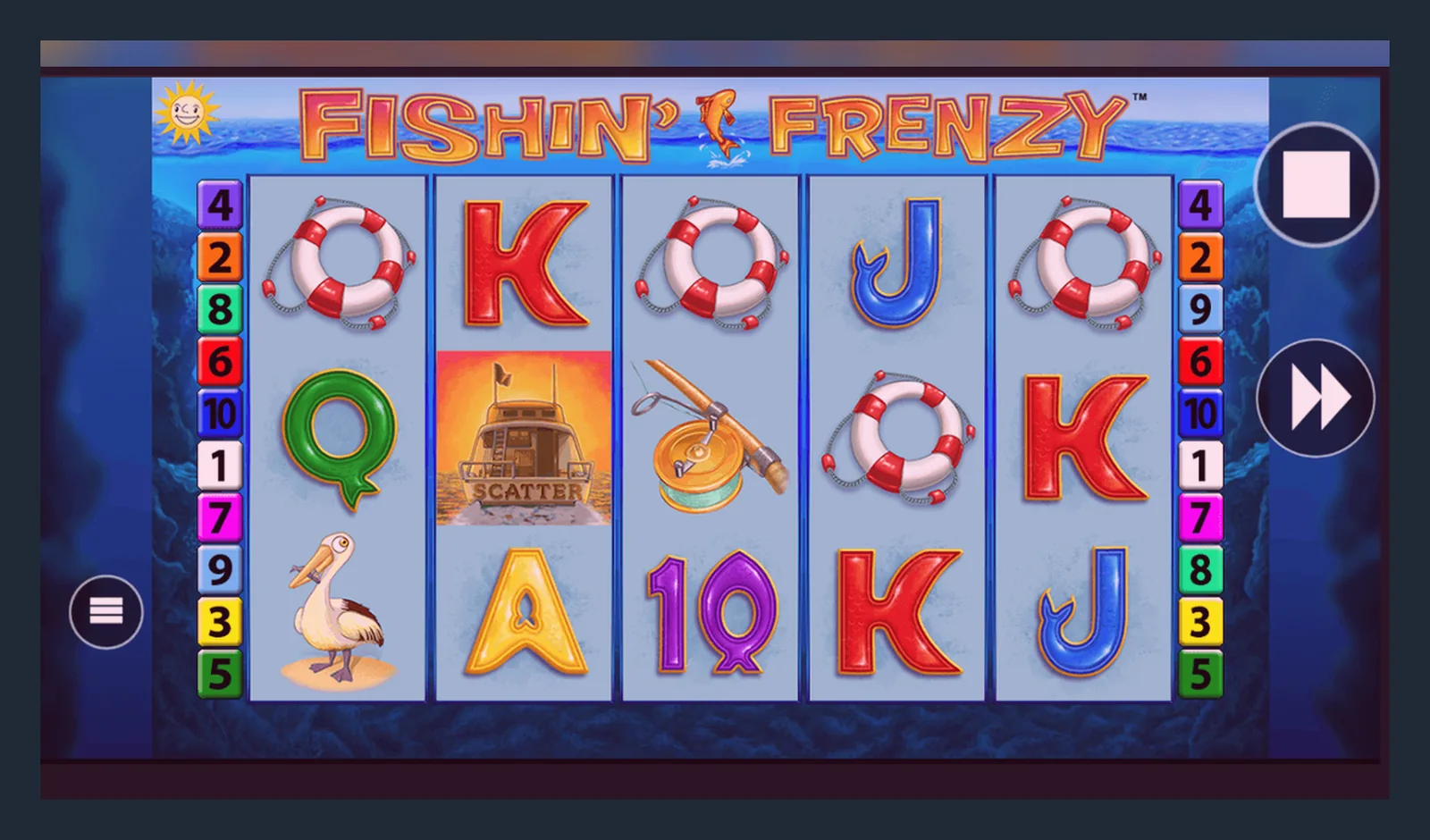
Blueprint Gaming holds the intellectual property, and the mathematics sits on a certified server build. But when you type «Fishin' Frenzy official» into a search box, you're not hunting for a single website—you're filtering out clones and checking that the operator in front of you holds a UK Gambling Commission remote licence. That small footer detail is the only proof that counts.
This page walks through what official status actually means, how to verify a licence in under 60 seconds, what an account requires before you can deposit, whether an official app exists, and what to do when something goes wrong. It also flags the warning signs that separate the real build from knock-offs designed to look close enough.
Three Layers: Provider, Build, and Operator Licence
«Official» breaks into three parts. Blueprint Gaming designed the game, coded the RNG, and submitted the maths model to a testing laboratory. That lab certified the build, and Blueprint distributes it to licensed operators under a content agreement. The operator integrates the game into its platform, applies stake caps, and runs the real-money session under its UKGC remote licence.
There is no single «official site of Fishin' Frenzy.» Blueprint does not operate a direct-to-player casino. Instead, dozens of UKGC-licensed operators carry the game. Each one is official in the sense that it serves the certified build under a valid licence. The operator's name, not Blueprint's, appears in the footer alongside the licence number.
When you load the game, the operator's branding wraps the session—header, footer, balance display, stake controls. Blueprint's logo may appear in the game window itself, but the legal relationship is between you and the operator. If you deposit £50.00, that money sits in an account with the operator, not with Blueprint.
Sixty-Second Licence Verification Walkthrough
The UK Gambling Commission publishes a searchable register of every remote and non-remote licence. The operator's licence number must appear in the website footer—usually at the very bottom, sometimes in a «Licence & Security» link. Matching that number to the register entry confirms that the operator is allowed to serve British players.
- Scroll to the footer of the casino site. Look for a string that reads «UKGC Licence No. 000-######-R-###» or similar. If the number is missing or the footer says «Curaçao» or «Malta,» the site does not hold a UK licence and is illegal to market here.
- Open the UKGC public register at gamblingcommission.gov.uk and use the licence search. Paste the number into the search box.
- Check that the licence is active, the operator name matches the site branding, and the licence type includes «remote» or «remote gambling.» If the entry says «suspended» or «revoked,» stop.
- Confirm that the operator's registered address and company name appear in the site's terms and conditions. Mismatches are a red flag.
This check takes under a minute. If the licence number is absent, the register search returns nothing, or the names do not align, you are looking at an unlicensed operation. Playing there puts your deposit at risk and gives you no recourse through the UKGC complaint process.
Account Setup and What You Need to Deposit
A UKGC-licensed operator will ask for age and identity verification before you can deposit. The first stage usually involves entering your name, date of birth, and address, then confirming via SMS or email. The operator cross-references your details with credit-reference data to confirm you are over 18 and that the name matches public records.
Once verified, you can deposit using a debit card (Visa or Mastercard), PayPal, Apple Pay, Trustly via Open Banking, or paysafecard. Credit cards have been banned for gambling in the UK since April 2020, and any card or payment method must be registered in your own name. Deposits from a partner's card or a business account will trigger additional checks and may be blocked.
- Age and identity: first-stage check using credit-reference data, completed at registration or before the first deposit.
- KYC documents: passport, driving licence, or utility bill for address proof—required before the first withdrawal. Turnaround is typically 24 to 48 hours.
- Affordability checks: mandatory from £150.00 net deposits per month. The operator requests bank statements or payslips at the first stage, then full financial disclosure if you continue depositing heavily.
- Payment-method verification: the operator may ask you to photograph the front of your debit card (with the middle digits hidden) or send a bank statement showing the card or PayPal account in your name.
The first withdrawal is the slowest because the operator reviews your documents and payment-method proof. After that, e-wallet withdrawals take a few hours to 24 hours, Faster Payments to a UK bank account clear same-day to two working days, and debit-card withdrawals take one to three working days. If you request a withdrawal before completing KYC, the operator will pause the payout until the documents are approved.
Stake Caps, Limits, and the Affordability Threshold
UK regulations cap slot stakes at £5.00 per spin for players aged 25 and over, and £2.00 per spin for those aged 18 to 24. The operator applies these caps automatically based on your verified date of birth. If you try to set a stake above the limit, the game interface blocks it or resets the value.
Beyond stake caps, every operator must offer deposit limits—daily, weekly, or monthly. You set these during registration or in the account settings. Once a limit is in place, you cannot increase it instantly; the operator applies a cooling-off period of 24 hours for decreases and longer for increases, depending on the site's policy.
| Check Type | Trigger | What the Operator Requests |
|---|---|---|
| First-Stage Affordability | £150.00 net deposits per month | Credit-reference check; no documents at this stage |
| Enhanced Check | £500.00 to £1,000.00 per month (operator-specific) | Bank statements, payslips, or proof of income |
| Full Financial Review | Sustained heavy deposits or large single deposits | Complete financial disclosure, including assets and liabilities |
These checks are not optional. If you refuse to provide documents or your income does not support the deposit level, the operator will restrict your account or close it. The rules exist to prevent harm, and licensed operators enforce them strictly because the UKGC audits compliance. Unlicensed sites skip these steps entirely, which is one reason they operate outside the law.
Is There an Official Fishin' Frenzy App?
Fishin' Frenzy runs in a browser on desktop and mobile without requiring a download. Blueprint Gaming does not publish a standalone app for the game. What you will find in the Google Play Store or Apple App Store are casino apps from UKGC-licensed operators that include Fishin' Frenzy in their game libraries. These apps are legal and official in the sense that the operator holds a UK remote licence and Blueprint has supplied the certified build.
If you search for «Fishin' Frenzy app» or «Fishin' Frenzy APK,» any result claiming to be a direct game app is either a clone, a demo wrapper, or malware. Blueprint does not distribute the game as a standalone APK, and sideloading an APK from an unknown source risks installing software that harvours your data or injects rigged RNG code.
- Legitimate casino apps: available in the UK Play Store and App Store from licensed operators; the app listing shows the operator's name, and the app itself links to the UKGC licence in the settings or footer.
- Browser play: the game loads in mobile Safari, Chrome, or any WebKit-based browser without requiring an app. Tap the share icon and «Add to Home Screen» to create a shortcut if you want one-tap access.
- Progressive web apps: some operators offer a PWA that installs like an app but runs in the browser. This is a middle ground between a full native app and a bookmarked URL.
- APK warnings: Android allows sideloading, but APKs from third-party sites are unregulated. If the source is not the official Play Store and the publisher is not a known UKGC-licensed operator, do not install it.
When you play through a licensed operator's app or mobile site, the game session is identical to desktop—same RTP, same volatility, same stake caps. The operator handles payments, KYC, and account limits through the app interface, and your balance syncs across devices if you log in from a laptop later.
When Something Goes Wrong: Complaint Path and Regulator Escalation
If you have a dispute with the operator—delayed withdrawal, a balance discrepancy, a technical fault during a spin—the first step is the operator's own complaint process. Every UKGC-licensed site must publish a complaints procedure in its terms or in a dedicated «Disputes» section. Submit your complaint through the operator's contact form, live chat, or email, and request a reference number.
The operator has eight weeks to investigate and respond. If you are not satisfied with the outcome, or the operator does not respond within that period, you can escalate to an independent Alternative Dispute Resolution (ADR) service. The operator's terms will name the ADR it uses—common ones include IBAS (Independent Betting Adjudication Service) and eCOGRA. ADR decisions are binding on the operator but not on you; if you reject the ADR ruling, you can still take the operator to small claims court.
- Contact the operator directly. Use the complaints email or live chat, describe the issue, and ask for a written response with a reference number.
- Wait up to eight weeks for the operator's final response. If the operator resolves the issue to your satisfaction, the process stops here.
- Escalate to the ADR if you remain dissatisfied or the operator does not respond. The ADR investigates both sides, reviews session logs and account history, and issues a ruling. This service is free to you.
- File a complaint with the UK Gambling Commission if the operator ignores the ADR ruling, operates without a valid licence, or you suspect systemic misconduct. The UKGC does not resolve individual disputes but will investigate the operator's compliance and can suspend or revoke the licence.
If the operator is unlicensed, none of this applies. You have no ADR route, no UKGC escalation, and no legal recourse beyond cross-border litigation, which is impractical for most players. This is why the licence check matters—it is your only guarantee of a regulated complaint path.
Red Flags That Mark a Clone and What Official Status Does Not Guarantee
Clones copy the theme, reel layout, and visual style but run different maths and RNG code. Some clones are obvious—mismatched branding, broken English in the paytable, or a suspiciously high RTP claim. Others are harder to spot because they replicate the interface closely enough to fool casual players.
- No UKGC licence number in the footer, or a licence issued by Curaçao, Malta, or another offshore jurisdiction. If the site targets UK players without a UKGC licence, it is illegal here.
- Provider name missing or mismatched: the real game credits Blueprint Gaming in the info screen or paytable. If the provider field says «Original Game» or lists an unknown studio, you are looking at a clone.
- Unrealistic RTP or volatility claims: the certified build has a fixed RTP set by Blueprint, typically in the mid-90s percentage range. If the site claims 99% RTP or «low volatility guaranteed,» the numbers are fabricated.
- Payment methods that violate UK rules: credit cards, Bitcoin, or anonymous e-wallets. Licensed operators do not accept credit cards for gambling, and crypto is not a common payment method on UKGC sites.
- No KYC or instant withdrawals with no verification: if you can deposit and withdraw without proving your identity, the operator is not complying with UK anti-money-laundering law.
- Aggressive marketing that targets under-18s or makes outcome promises: UK advertising rules ban appeals to minors and prohibit claims that you can beat the RNG. If the site breaks these rules, it is not operating under UKGC oversight.
Verifying the licence does not guarantee a good experience. A licensed operator can still have slow support, confusing bonus terms, or a clunky mobile interface. The licence confirms legal operation, fair RNG, and access to the complaint process—it does not promise that the operator is pleasant to deal with or that its bonuses are worth claiming.
Official status also does not eliminate risk. The game is high volatility, which means long losing streaks are normal. Wagering requirements apply to every bonus, and the first withdrawal takes longer than subsequent ones because of KYC checks. RTP is a long-term average, not a per-session promise. If you deposit £100.00, you might lose it in 20 spins or stretch it to 200; the RNG does not care which.
FAQ
How do I know if the operator serving Fishin' Frenzy is licensed in the UK?
Scroll to the footer and locate the UKGC licence number, formatted as «000-######-R-###» or similar. Open the Gambling Commission public register, paste the number into the search, and confirm that the licence is active and the operator name matches the site. If the number is missing or the register returns no result, the operator is unlicensed and illegal for UK players.
Can I play Fishin' Frenzy without creating an account?
Some operators offer demo play to logged-in, age-verified users, but real-money sessions require a registered account with completed identity checks. The operator must confirm you are over 18 and that your payment method is in your own name before you can deposit. There is no anonymous real-money play on UKGC-licensed sites.
Is there an official Fishin' Frenzy app for Android or iOS?
Blueprint Gaming does not publish a standalone app. The game runs in a mobile browser or through a licensed operator's casino app. Apps from UKGC-licensed operators are official and legal; standalone APKs or apps claiming to be the game itself are clones or malware. Download casino apps only from the Play Store or App Store, not from third-party sites.
What stake limits apply to Fishin' Frenzy in the UK?
The maximum stake is £5.00 per spin if you are 25 or older, and £2.00 per spin if you are aged 18 to 24. The operator applies these caps automatically based on your verified date of birth. You cannot override the limit, and the game interface blocks stakes above the cap.
What happens if I deposit more than £150.00 in a month?
The operator triggers a first-stage affordability check, starting with credit-reference data. If you continue depositing beyond operator-specific thresholds (often £500.00 to £1,000.00), the operator requests bank statements, payslips, or proof of income. Sustained heavy deposits require full financial disclosure. If your income does not support the deposit level, the operator restricts or closes your account.
How do I escalate a complaint if the operator does not resolve my issue?
Submit your complaint through the operator's published complaints process and request a reference number. Wait up to eight weeks for a response. If you remain dissatisfied, escalate to the ADR service named in the operator's terms—IBAS and eCOGRA are common. The ADR investigates and issues a binding ruling on the operator. If the operator ignores the ADR or you suspect systemic misconduct, file a complaint with the UKGC, which audits compliance and can revoke licences.